
1. Treat the Entrance as a Welcome Point
The entry is often seen as the point where the emotional tone of the home begins. A clean doorway, uncluttered threshold, and simple sacred symbol or light can do more than heavy decoration. The aim is not excess. It is to create a sense of order and invitation at the place where the household receives people and energy.
2. Give the Prayer Space a Stable Identity
Even in compact homes, families feel more settled when the prayer area is intentional rather than improvised. A small, clean, well-maintained space is more meaningful than a large decorative setup that is rarely used. Consistency matters more than size.
3. Reduce Dead Clutter Early
One of the simplest and most practical Vastu-friendly habits is to avoid letting unopened boxes, broken items, or leftover shift clutter stay in the home for weeks. The first few days in a new place shape the emotional feel of the move. Order supports calm.
4. Think in Terms of Flow, Not Perfection
Most urban families cannot redesign layouts around ideal directional rules. What they can do is preserve light, maintain cleanliness, improve circulation, and avoid chaotic room use. Good Vastu application in apartments is usually about thoughtful adjustment rather than rigid fear.
5. Pair Vastu with a Meaningful Griha Pravesh
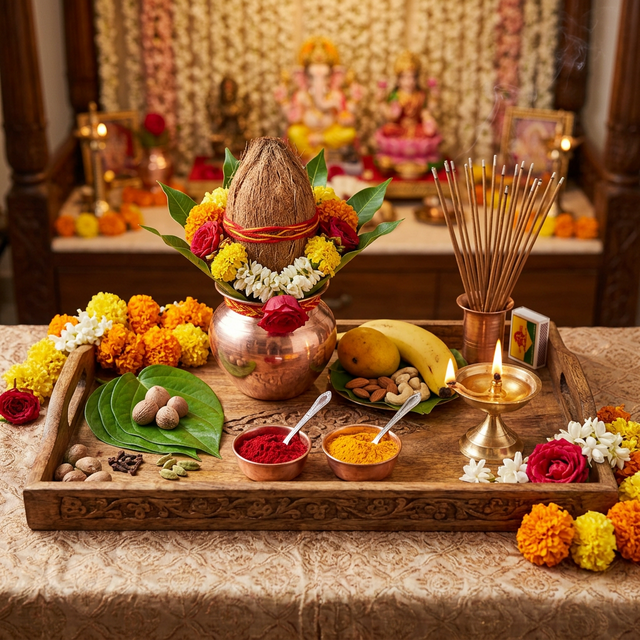
A housewarming ritual brings emotional closure to the move. It helps the family mark the shift intentionally rather than treating the home as a purely logistical possession. That is why many people combine Vastu preparation with a well-coordinated Griha Pravesh, especially when elders want the entry to feel auspicious and complete.